


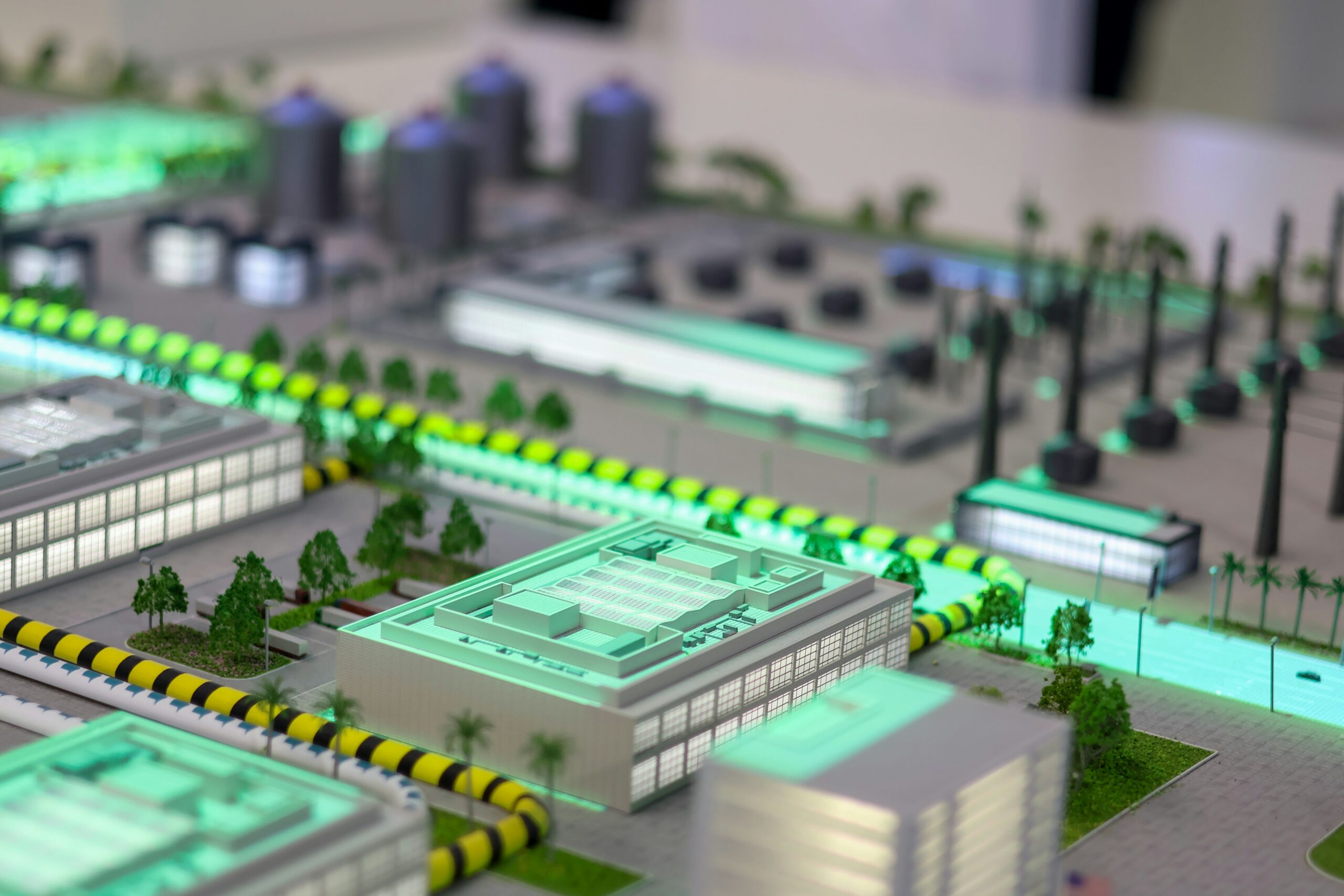
The concept of smart infrastructure has transitioned from a futuristic vision into a vital necessity for the survival of modern urban environments. As our cities face unprecedented population growth and the escalating challenges of climate change, traditional systems are no longer sufficient to maintain order and efficiency.
Modern infrastructure now relies on a sophisticated web of sensors, artificial intelligence, and real-time data analytics to manage resources autonomously. This transformation is not just about adding technology to old roads or bridges; it is about creating a living, breathing ecosystem that responds to human behavior.
By integrating the Internet of Things (IoT) into our core utility grids, we can drastically reduce waste and improve the quality of life for billions of people. This shift represents a fundamental change in how we perceive our physical surroundings, turning static objects into intelligent participants in our daily lives.
As we move deeper into this digital age, the synergy between hardware and software will define the economic competitiveness of nations. Understanding the pillars of this evolution is essential for anyone interested in the future of technology, urban planning, and environmental sustainability.
The Integration of Intelligent Transportation Systems

Transportation is the lifeblood of any modern city, but it is also a major source of congestion and pollution. Smart infrastructure seeks to solve these problems by creating a seamless, data-driven transport network.
A. Adaptive traffic signals use real-time camera data to adjust timing based on actual vehicle flow rather than fixed timers.
B. Autonomous public transit vehicles are being integrated into dedicated lanes to provide predictable and efficient commuting options.
C. Smart parking sensors allow drivers to find available spots through mobile apps, reducing the time spent circling city blocks.
D. Vehicle-to-Infrastructure (V2I) communication enables cars to receive alerts about road hazards or upcoming signal changes.
E. Dynamic tolling systems adjust pricing based on traffic density to encourage travel during off-peak hours.
By optimizing how people move, cities can reclaim thousands of hours lost to traffic every year. This efficiency translates directly into lower carbon emissions and a more productive workforce.
We are also seeing the rise of “micro-mobility” hubs that integrate electric bikes and scooters into the broader transit grid. These systems are managed by AI to ensure that vehicles are always available where demand is highest.
Revolutionizing the Energy Grid with Smart Technology
The traditional power grid is often centralized and prone to massive failures during peak demand or natural disasters. Smart grids represent a decentralized approach that prioritizes resilience and renewable energy integration.
A. Smart meters provide consumers with real-time data on their energy usage, allowing them to shift consumption to cheaper hours.
B. Distributed energy resources, such as residential solar panels, can feed excess power back into the main grid.
C. Self-healing circuits can automatically detect a power line break and reroute electricity to minimize the number of homes affected.
D. Energy storage systems, including massive battery arrays, help balance the intermittent nature of wind and solar power.
E. Demand-response programs allow utilities to temporarily reduce power to certain appliances during emergencies to prevent total blackouts.
A smart grid is essentially a two-way conversation between the utility provider and the end-user. This transparency helps reduce the need for expensive and dirty “peaker” power plants.
As electric vehicles become more common, the grid must also evolve to handle massive charging loads. Smart charging stations will ensure that cars are powered up when renewable energy is most abundant.
Smart Water Management and Conservation
Water is a finite resource that is often wasted through leaky pipes and inefficient irrigation systems. Smart infrastructure uses acoustic sensors and satellite data to protect our water supply.
A. Automated leak detection systems use sound sensors to find small cracks in pipes before they become major bursts.
B. Smart irrigation controllers use local weather forecasts to ensure that parks and farms only receive the water they actually need.
C. Digital water meters allow utilities to bill customers accurately and detect unusual spikes that might indicate a hidden leak.
D. Real-time water quality sensors can detect contaminants in the supply chain almost instantly, protecting public health.
E. Smart wastewater treatment plants use AI to optimize the chemical and biological processes involved in cleaning water.
Most cities lose up to 30% of their treated water due to infrastructure decay. Smart technology allows engineers to target repairs with surgical precision, saving billions of gallons.
By making water usage visible, we encourage a culture of conservation. Consumers are much more likely to save water when they can see their daily usage on a smartphone app.
The Role of 5G and High-Speed Connectivity
None of these smart systems can function without a robust and ultra-fast communication layer. 5G technology is the backbone that allows thousands of devices per square mile to talk to each other.
A. Low latency is critical for time-sensitive applications like autonomous driving and remote surgery.
B. High bandwidth allows for the transmission of high-definition video feeds for security and traffic monitoring.
C. Edge computing brings data processing closer to the sensor, reducing the time it takes to make an intelligent decision.
D. Network slicing allows operators to dedicate a specific portion of the signal to emergency services during a crisis.
E. IoT-specific protocols ensure that even small, battery-powered sensors can stay connected for years without a charge.
5G is not just a faster version of 4G; it is a fundamental shift in how networks are built. It allows the city to act as a single, giant computer.
Without this level of connectivity, the “smart” city would be nothing more than a series of disconnected gadgets. High-speed internet is now as important as electricity or running water.
Enhancing Public Safety through AI Surveillance
Smart infrastructure plays a massive role in keeping citizens safe through proactive monitoring and rapid response systems. AI can now identify potential threats before they escalate into emergencies.
A. Intelligent camera systems can detect unusual crowds or abandoned packages in public spaces automatically.
B. Gunshot detection sensors can triangolate the exact location of a weapon discharge and alert police in seconds.
C. Smart street lighting can brighten automatically when it detects a pedestrian walking alone at night.
D. Predictive policing algorithms help authorities allocate resources to areas where crimes are statistically more likely to occur.
E. Emergency response drones can fly ahead of ambulances to provide a live feed of an accident scene to first responders.
When every second counts, having an automated system can be the difference between life and death. These technologies allow for a much faster and more coordinated response to disasters.
Privacy remains a key concern in the development of these systems. Modern smart infrastructure must find a balance between keeping people safe and protecting their individual rights.
Sustainable Building Management Systems
Buildings are responsible for a significant portion of global energy consumption. Smart buildings use integrated systems to minimize their environmental footprint while maximizing comfort.
A. HVAC systems use occupancy sensors to heat or cool only the rooms that are currently in use.
B. Smart glass can change its opacity based on the intensity of the sun, reducing the need for air conditioning.
C. Vertical farming integrated into building facades can provide local produce while cleaning the air.
D. Automated waste sorting systems use sensors to separate recyclables from trash at the point of disposal.
E. Building Information Modeling (BIM) allows architects to simulate energy performance before a single brick is laid.
A truly smart building is proactive rather than reactive. It learns the habits of its occupants and adjusts its settings to ensure maximum efficiency.
This technology is becoming standard in the commercial real estate market. Companies want to occupy “green” buildings to meet their sustainability goals and reduce operational costs.
Waste Management and the Circular Economy
Traditional waste collection is often inefficient, with trucks stopping at half-empty bins. Smart waste management uses data to optimize routes and improve recycling rates.
A. Ultrasonic sensors in trash bins alert collection crews only when the container is nearly full.
B. Smart bins can use solar power to compress trash, allowing them to hold five times more than a standard bin.
C. Automated sorting facilities use robotic arms and AI to separate plastic, metal, and paper with high accuracy.
D. Pay-as-you-throw systems use RFID tags on bins to bill residents based on the amount of non-recyclable waste they produce.
E. Digital marketplaces for recycled materials connect waste producers with manufacturers who need raw materials.
By making waste collection more efficient, cities can reduce the number of garbage trucks on the road. This leads to less noise, less traffic, and lower fuel consumption.
The ultimate goal of smart waste infrastructure is to eliminate the concept of “trash” entirely. Everything should be seen as a resource that can be reused or repurposed.
Resilient Infrastructure and Disaster Recovery
In an age of extreme weather, our infrastructure must be able to withstand and recover from shocks. Smart systems provide the agility needed to manage the aftermath of floods, fires, or earthquakes.
A. Flood sensors in drainage systems can provide early warnings of rising water levels to low-lying neighborhoods.
B. Structural health sensors on bridges and dams can detect microscopic movements that indicate a risk of collapse.
C. Mobile command centers can deploy temporary communication networks when permanent towers are destroyed.
D. AI simulations can predict the path of a wildfire, allowing for more effective evacuation planning.
E. Microgrids can disconnect from the main power supply during a disaster, keeping critical facilities like hospitals running.
Resilience is not just about being strong; it is about being smart. It is about having the data needed to make the right decisions under extreme pressure.
As we rebuild our aging infrastructure, we have a unique opportunity to bake these resilient features into the foundation. It is an investment that will save countless lives in the future.
The Economic Impact of Smart Cities
Smart infrastructure is a massive driver of economic growth and urban competitiveness. Cities that embrace technology attract more businesses, talent, and investment.
A. Improved transit efficiency reduces the cost of doing business and increases the size of the available labor pool.
B. Lower utility costs for businesses and residents increase disposable income and economic activity.
C. The construction and maintenance of smart systems create thousands of high-tech jobs.
D. Open data platforms allow startups to build new apps and services on top of city infrastructure.
E. A higher quality of life makes the city more attractive to the “creative class” of workers.
Technology is the new frontier of urban competition. The most successful cities of the next century will be the ones that have the best digital and physical integration.
Investment in smart infrastructure often pays for itself through energy savings and increased efficiency. It is a rare example of a government expenditure that has a clear and massive return on investment.
Challenges and the Digital Divide
Despite the benefits, the transition to smart infrastructure faces significant hurdles. We must address issues of privacy, security, and equity to ensure that no one is left behind.
A. Cybersecurity is a major concern, as a hack on a smart grid or water system could have devastating consequences.
B. Data privacy must be protected to ensure that the constant monitoring of city life does not lead to a surveillance state.
C. The digital divide means that poorer neighborhoods might miss out on the benefits of smart technology.
D. High initial costs can make it difficult for smaller or less wealthy cities to begin the transition.
E. Interoperability issues can arise if different parts of a city use technology from different vendors that cannot communicate.
We must ensure that smart infrastructure is inclusive and accessible to all citizens. A “smart” city that only works for the wealthy is not a successful city.
Security must be built into the system from the very first day. We cannot afford to treat the safety of our physical infrastructure as an afterthought.
Conclusion

Smart infrastructure is the foundation upon which the future of our civilization will be built. It represents a paradigm shift from static physical structures to intelligent and responsive digital ecosystems. The integration of AI and IoT into our daily lives will fundamentally change how we interact with our environment. By optimizing energy and water usage, we can create a truly sustainable and resilient global society.
Intelligent transportation systems will reclaim our time and reduce the environmental impact of modern movement. Connectivity through 5G and future networks is the essential lifeblood that powers this entire transformation. Public safety will be enhanced through proactive monitoring and much faster emergency response capabilities. The economic benefits of smart cities are undeniable and will drive the next wave of global prosperity. We must remain vigilant in protecting the privacy and data security of every individual in this connected world.
Overcoming the digital divide is necessary to ensure that technology serves the needs of all people equally. The transition to smart infrastructure requires a coordinated effort between governments and private innovators. As we move forward, the line between the physical and digital worlds will continue to blur and eventually disappear. Investing in these systems today is the only way to ensure a safe and prosperous world for future generations.