


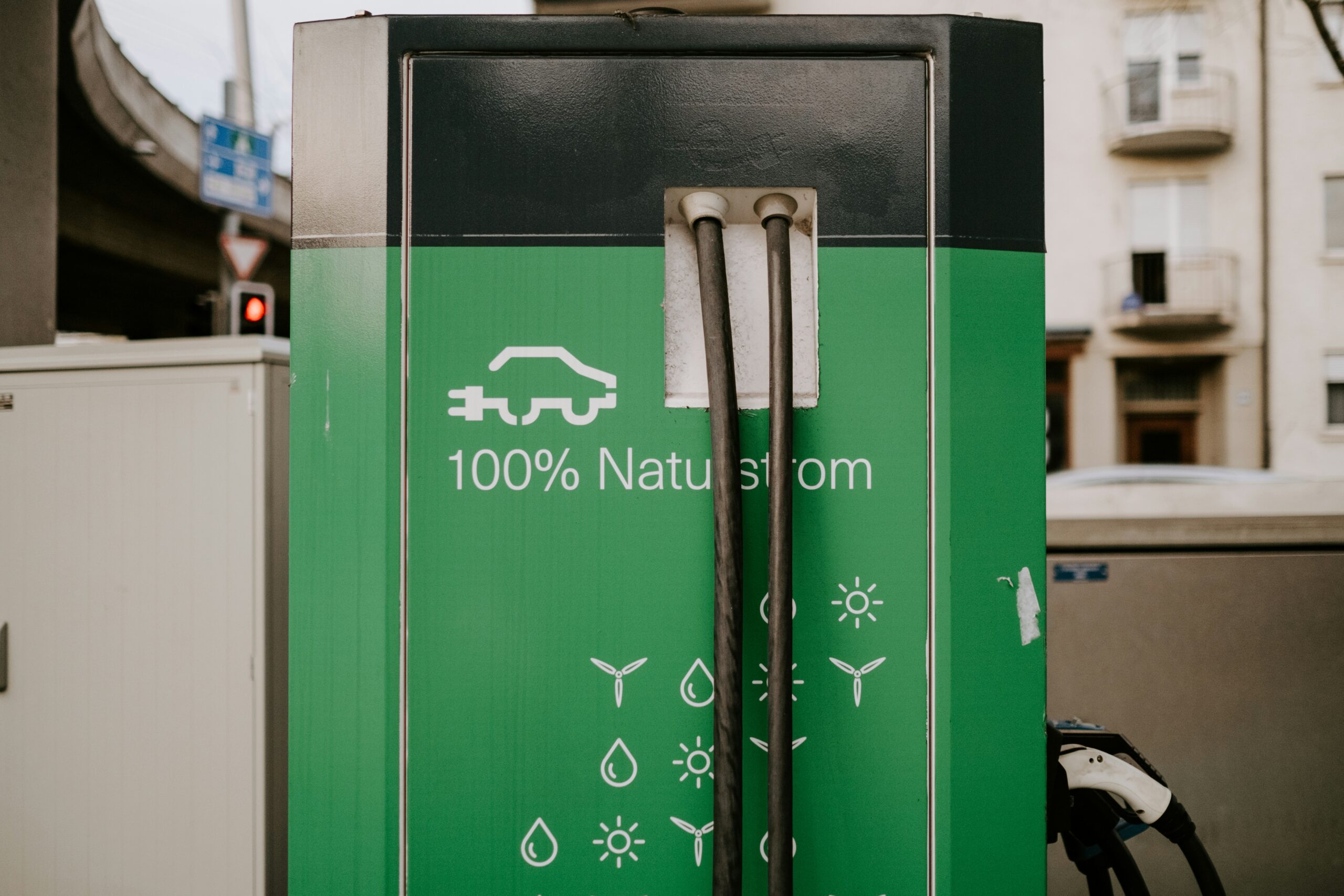
The rapid expansion of the digital world has brought us incredible convenience, but it has also created a massive environmental footprint that we can no longer afford to ignore. As billions of devices connect to the internet every day, the energy required to power data centers and manufacture hardware has skyrocketed to unprecedented levels. Green computing has emerged as a vital discipline focused on reducing this impact through smarter design and more efficient energy use.
It is not just about recycling old laptops; it is a fundamental shift in how we build the very infrastructure of our digital lives. From the way silicon chips are engineered to the cooling systems used in massive server farms, every detail is being reimagined to prioritize the health of our planet. This movement represents a bridge between our technological ambitions and our ecological responsibilities, proving that progress does not have to come at the cost of the Earth.
As we dive into the world of sustainable tech, we find that innovation is the most powerful tool we have to create a cleaner, greener future for everyone. Let us explore the breakthroughs and daily habits that are turning the tide in the battle for a sustainable digital ecosystem.
Modern computing is a hungry beast that consumes electricity at an alarming rate, yet the solutions are already within our reach. We just need to understand how to apply them effectively across all industries.
The Core Foundations of Green Computing

At its heart, green computing is about maximizing efficiency while minimizing the waste generated by digital activities. It involves a holistic look at the entire lifecycle of a computer, from the raw minerals in the ground to the final disposal of the device.
A. Energy efficiency focuses on reducing the amount of power needed to perform complex calculations.
B. Operational longevity encourages building hardware that lasts for decades rather than just a few seasons.
C. Sustainable manufacturing uses non-toxic materials and renewable energy during the assembly process.
D. Responsible disposal ensures that heavy metals and plastics are recycled rather than ending up in a landfill.
Revolutionizing Data Center Efficiency
Data centers are the engines of the internet, but they are also notorious for their massive heat production and power consumption. Modern innovation is transforming these hubs from energy drains into models of environmental efficiency.
A. Liquid cooling systems are replacing traditional air conditioning to manage heat with much less energy.
B. AI-driven power management predicts traffic spikes and adjusts energy flow to servers in real-time.
C. Location-based cooling involves building data centers in naturally cold climates like the Arctic.
D. Waste heat recovery systems capture the warmth generated by servers and use it to heat nearby homes.
The Rise of Energy-Efficient Processors
The CPU is the brain of any device, and making it more efficient is one of the most direct ways to save power. Designers are now focusing on “performance per watt” rather than just raw speed.
A. Reduced Instruction Set Computing (RISC) architectures are proving to be much more efficient than older designs.
B. Multi-core processing allows a computer to handle many tasks at lower clock speeds, saving battery life.
C. FinFET technology helps reduce current leakage in transistors, making chips significantly cooler.
D. Low-power idle states ensure that your devices consume almost zero energy when you aren’t actively using them.
Sustainable Hardware Materials and Design
The physical body of our gadgets is often made from rare earth minerals and plastics that are difficult to process. Sustainable tech aims to swap these out for materials that are much kinder to the environment.
A. Recycled aluminum and plastics are becoming the standard for premium laptop and phone casings.
B. Modular design allows users to replace individual parts like batteries or screens without tossing the whole device.
C. Bio-based resins and plant-derived plastics are being tested to replace petroleum-based components.
D. Brominated flame retardant-free materials make the eventual recycling process much safer for workers.
The Impact of Cloud Computing on Sustainability
Moving local workloads to the cloud is often a green choice because large providers can optimize resources much better than a single office could. This shared economy of computing power reduces the total number of physical servers needed globally.
A. Resource pooling allows multiple companies to share the same physical hardware efficiently.
B. Dynamic scaling ensures that extra servers are only turned on when there is a real demand for them.
C. High-density server configurations maximize the work done per square foot of real estate.
D. Green cloud certifications help businesses choose providers that run on 100% renewable energy.
Software Optimization for a Greener Planet
Most people forget that inefficient code is a major source of energy waste. Bloated software requires more processing power, which in turn drains more battery and generates more heat.
A. Lean coding practices focus on removing unnecessary background processes and data calls.
B. Dark mode interfaces save significant energy on devices equipped with OLED screens.
C. Efficient data compression reduces the energy needed to transmit files over the internet.
D. Algorithmic efficiency ensures that a computer finds an answer using the fewest steps possible.
Tackling the Global E-Waste Crisis
Electronic waste is the fastest-growing waste stream in the world, filled with toxic chemicals that can leach into groundwater. Tackling this problem requires a global effort to rethink how we “retire” our old tech.
A. Urban mining involves extracting precious metals like gold and copper from old circuit boards.
B. Buy-back programs encourage consumers to trade in old devices for credit toward new ones.
C. Certified refurbishing gives a second life to computers that are still perfectly functional.
D. Right-to-repair laws empower consumers to fix their own devices instead of being forced to buy new ones.
The Role of Renewable Energy in Tech
The cleanest way to power a computer is with energy harvested from the sun, wind, or water. Tech giants are now among the largest purchasers of renewable energy in the entire world.
A. Solar-powered data centers utilize massive on-site arrays to run their daily operations.
B. Power Purchase Agreements (PPAs) help fund the construction of new wind farms and solar parks.
C. Geothermal energy provides a constant and reliable power source for critical infrastructure.
D. Energy storage systems like massive batteries help smooth out the supply from intermittent green sources.
Smart Grids and Digital Energy Management
Technology is also being used to make our entire electrical grid smarter and more responsive. This “Internet of Energy” allows for a more efficient distribution of power across cities and countries.
A. Smart meters give homeowners real-time data on their energy consumption patterns.
B. Demand-response programs automatically lower energy use during peak times to prevent blackouts.
C. Distributed energy resources allow small homes to feed solar power back into the main grid.
D. Predictive maintenance for power lines prevents energy loss through leaks and faulty equipment.
Sustainable Practices for Remote Work
The shift toward working from home has a complex relationship with the environment. While it reduces commuting emissions, it also increases the digital footprint of our homes and residential networks.
A. Energy-star rated home office equipment ensures that your remote setup stays efficient.
B. Virtual meetings replace the high carbon cost of international business travel.
C. Digital document signatures eliminate the need for paper, ink, and physical shipping.
D. Smart home automation can turn off lights and heating in the office when you aren’t there.
The Future of Green Computing Innovation
As we look ahead, the next generation of computing looks like it will be even more integrated with nature. From biological computing to quantum leaps in efficiency, the future is bright.
A. Quantum computing promises to solve complex problems in seconds that take today’s computers years.
B. Biological data storage uses DNA to hold massive amounts of information with zero power.
C. Photonic computing uses light instead of electricity to move data, generating almost no heat.
& D. Edge computing reduces the distance data has to travel, saving energy across the whole network.
Encouraging a Culture of Digital Wellness
Sustainability is not just about the machines; it is about how we as humans interact with them. Developing a mindful relationship with our devices leads to less waste and a lower overall footprint.
A. Digital decluttering removes unused files and apps that take up server space.
B. Intentional upgrading means only buying a new device when the old one truly cannot function.
C. Education on digital footprints helps people understand the hidden cost of a “simple” email.
D. Supporting ethical brands encourages the rest of the industry to follow sustainable paths.
Conclusion

The journey toward a greener digital future is a responsibility that we all share. Every choice to repair rather than replace makes a tangible difference for our planet. Innovation is the key to unlocking a world where technology and nature can coexist. We are building the foundations for a society that values efficiency over excess.
The digital tools of tomorrow must be as clean as they are powerful and fast. Our legacy will be defined by how well we managed the resources of the Earth. The path to sustainability is paved with small actions and massive technological leaps. Let us embrace the challenge of creating a digital world that breathes with the planet. The technology of the future is not just smart but also deeply and truly green. It is time to log off from our old habits and log into a more sustainable reality.