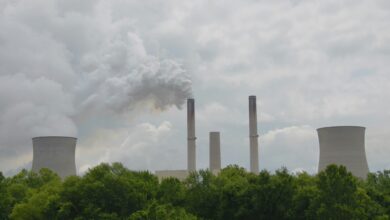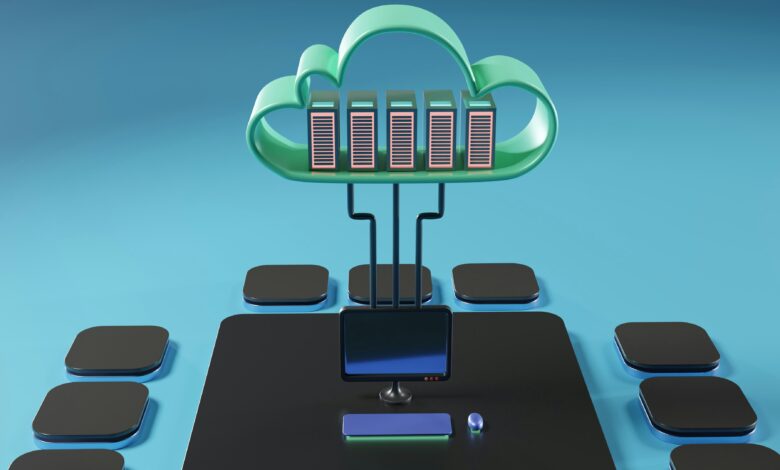
The fundamental architecture of the global digital economy is transitioning toward a regenerative model where the massive energy demands of cloud computing are reconciled with the urgent necessity for ecological stewardship. As our collective reliance on artificial intelligence and decentralized networks increases, the physical facilities housing these workloads have become the primary focus of environmental innovation and carbon-neutral engineering.
Traditional cooling methods and energy-intensive processing cycles are being systematically replaced by a sophisticated ecosystem of liquid immersion cooling, on-site renewable energy microgrids, and heat-recycling systems that transform waste into a valuable resource. This evolution represents a strategic alignment between the physical requirements of high-performance silicon and the biological imperatives of a healthy planet, ensuring that the growth of the technosphere does not occur at the expense of the biosphere. Navigating this new landscape requires a deep understanding of PUE (Power Usage Effectiveness) metrics, the thermodynamics of heat dissipation at the rack level, and the integration of carbon-capture technologies within the data center envelope.
We are seeing a significant move toward “circular computing” where the entire lifecycle of a server—from the extraction of rare-earth metals to the eventual decommissioning and recycling of components—is managed with a zero-waste philosophy. For the enterprise stakeholder, the allure of green computing lies in its ability to provide long-term operational resilience and lower total cost of ownership while meeting the increasingly stringent requirements of global environmental governance.
The successful deployment of sustainable infrastructure depends on a rigorous understanding of geographic site selection, utilizing natural air cooling in colder climates and proximity to geothermal or hydroelectric power sources. Ultimately, the goal of this movement is to create a frictionless digital window that operates as a net-positive contributor to the local ecosystem, restoring biodiversity and providing excess energy back to the community. This holistic approach to infrastructure ensures that the digital world acts as a massive engine for global restoration rather than a burden on the world’s most vulnerable and beautiful locations.
A. Advanced Liquid Immersion Cooling Mechanisms

Standard air-cooling systems are rapidly becoming obsolete as pixel density and processing power outpace the ability of fans to manage thermal loads efficiently. Liquid immersion cooling involves submerging the entire server blade in a non-conductive, dielectric fluid that absorbs heat much more effectively than air.
By eliminating the need for massive air conditioning units and high-speed fans, this technology reduces the total energy consumption of a facility by up to forty percent. The captured heat can then be diverted through heat exchangers to provide hot water or space heating for nearby residential or industrial areas.
This method also protects the hardware from dust, moisture, and vibrations, significantly extending the lifespan of the sensitive electronic components. For a sustainable enterprise, the reduction in hardware replacement cycles is a critical factor in lowering the overall environmental footprint of the operation.
B. Integrating On-Site Renewable Energy Microgrids
A truly green data center must possess a degree of energy sovereignty by generating its own power through on-site solar, wind, or hydrogen fuel cell installations. These microgrids provide a stable and predictable energy supply that is decoupled from the volatility and carbon intensity of the traditional utility grid.
Advanced battery storage systems allow the facility to store excess energy generated during peak production hours for use during times of low renewable output. This “load-shifting” capability ensures that the data center can maintain a constant uptime without relying on fossil-fuel-based backup generators.
Intelligent energy management software uses machine learning to predict energy production and adjust the workload of the servers accordingly. This synchronization of compute cycles with energy availability is a hallmark of an advanced, carbon-aware infrastructure strategy.
C. Molecular Sustainability In Hardware Procurement
The ecological impact of a data center begins long before the first server is plugged in, starting with the mining of raw materials for circuit boards and processors. Sustainable procurement policies prioritize vendors who use recycled metals and conflict-free minerals in their manufacturing processes.
Modular server designs allow for the individual replacement of components rather than the disposal of entire units, further reducing electronic waste. This “right to repair” philosophy within the data center environment is essential for maintaining a circular economy.
By choosing hardware with higher energy-to-performance ratios, a facility can achieve more compute power with less electricity. Every watt saved at the chip level translates to significant cumulative savings across a global network of data centers.
D. Optimizing Power Usage Effectiveness Metrics
Power Usage Effectiveness (PUE) is the standard metric for measuring the energy efficiency of a data center, calculated by dividing the total power entering the facility by the power used by the IT equipment. The closer the PUE ratio is to 1.0, the more efficient the facility is at utilizing its energy.
Modern green facilities aim for a PUE of 1.1 or lower, achieved through a combination of intelligent layout, efficient power distribution, and the elimination of unnecessary cooling overhead. Regular audits and real-time monitoring are required to maintain these levels as the workload fluctuates.
Achieving a low PUE is not just about environmental responsibility; it is a direct driver of operational profitability. Lower energy waste means more capital can be allocated toward expanding the compute capacity and developing new digital services.
E. Leveraging Natural Air And Geothermal Cooling
Geographic site selection is a vital component of a sustainable data center strategy, as facilities in colder climates can utilize “free cooling” from the external environment. This involves pulling in cold outside air to cool the server rooms, eliminating the need for mechanical refrigeration for much of the year.
Geothermal cooling utilizes the stable temperature of the earth or nearby water bodies to provide a constant and renewable source of thermal management. These nature-based solutions are incredibly efficient and provide a robust shield against rising energy prices.
By working with the natural environment rather than against it, data center operators can create facilities that feel like an integrated part of the landscape. This biophilic approach to infrastructure design improves the aesthetic and ecological value of the local area.
F. Carbon Capture And Negative Emissions Technology
Some of the most advanced green data centers are experimenting with integrated carbon capture systems that scrub CO2 from the surrounding atmosphere. This captured carbon can then be sequestered underground or utilized in the production of sustainable materials like carbon-cured concrete.
This transition from “carbon-neutral” to “carbon-negative” represents the ultimate goal of the regenerative computing movement. It allows the technology sector to actively participate in the removal of greenhouse gases while continuing to provide essential digital services.
The implementation of these systems is often supported by premium carbon credits and government incentives for ecological restoration. For an institutional investor, a carbon-negative facility is a premier asset that is resilient to future carbon taxes and regulations.
G. Software Driven Energy Orchestration
Green computing is not just a hardware challenge; it is also a software opportunity. Energy-aware scheduling algorithms can move non-critical compute tasks to different geographic locations based on where renewable energy is most abundant at any given moment.
This “follow the sun” or “follow the wind” strategy ensures that the global carbon footprint of a cloud provider is kept to a minimum. It requires a highly coordinated and decentralized network of facilities that can communicate and share workloads seamlessly.
Software-defined power management also allows for the “under-clocking” of servers during periods of low demand, further reducing energy consumption. This granular control over the power state of every component is essential for a truly efficient operation.
H. The Role Of AI In Thermal Prediction
Artificial intelligence is being utilized to create “thermal maps” of the data center, predicting how heat will move and accumulate based on the current workload. This allows the cooling systems to adjust proactively, preventing the formation of hot spots that could damage equipment.
AI models can also optimize the flow of air through the facility, suggesting adjustments to floor tiles or rack placements to maximize efficiency. This continuous, automated optimization is far more effective than traditional static cooling designs.
The data collected by these AI systems can also be used to predict hardware failures before they occur. By replacing a failing component before it overheats, the facility can maintain its efficiency and avoid costly emergency repairs.
I. Sustainable Building Materials and Construction
The physical structure of a green data center is built using low-carbon materials like cross-laminated timber (CLT) or recycled steel. These materials have a much lower “embodied carbon” footprint than traditional concrete and aluminum.
Permeable paving and green roofs are used to manage stormwater runoff and provide natural insulation for the building. This reduces the urban heat island effect and provides a habitat for local flora and fauna.
During the construction phase, the use of electric heavy machinery and local supply chains further reduces the environmental impact of the project. A sustainable data center is a testament to the fact that industrial-scale facilities can be built in harmony with nature.
J. Water Stewardship And Conservation Strategies
Standard data centers use millions of gallons of water every day for evaporative cooling, which can strain local water resources in arid regions. Green facilities utilize closed-loop cooling systems that recycle the same water indefinitely, significantly reducing their water footprint.
Rainwater harvesting systems are also used to provide water for landscaping and non-potable uses within the facility. This proactive water stewardship ensures that the data center remains a responsible neighbor to the local community.
In areas where water is extremely scarce, “dry cooling” technologies are utilized, which use air-to-air heat exchangers instead of water evaporation. This flexibility in design allows for the deployment of sustainable infrastructure in a wide variety of geographic locations.
K. The Economic Value Of Energy Efficiency
While the initial capital expenditure for green infrastructure can be higher, the long-term operational savings are substantial. Lower energy bills, reduced maintenance costs, and a longer hardware lifespan all contribute to a superior return on investment.
Furthermore, many global enterprises are now willing to pay a premium for “green cloud” services to meet their own sustainability goals. This creates a strong market demand for facilities that can prove their ecological credentials through transparent reporting.
Institutional investors are also favoring green assets, as they are viewed as lower-risk in the face of evolving climate regulations. A sustainable data center is a “future-proofed” investment that will maintain its value for decades to come.
L. Edge Computing and Decentralized Efficiency
Edge computing involves placing smaller, more efficient data centers closer to the end-user, reducing the energy required to transmit data across long distances. This decentralized approach can improve the latency of digital services while lowering the overall power demand of the network.
These edge nodes are often designed to be “lights-out” facilities that require no on-site staff and very little maintenance. They can be integrated into existing urban infrastructure, such as cell towers or office buildings, utilizing waste space and energy.
By processing data locally, edge nodes also improve the privacy and security of the information, as it does not need to travel as far across the public internet. This combination of efficiency and security is a key part of the future of green computing.
M. Ethical Leadership In The Technology Sector
The transition to sustainable computing is as much a leadership challenge as it is a technical one. Corporate executives must make a sovereign commitment to environmental responsibility, even when it involves making difficult decisions about short-term profits.
Transparent reporting and a willingness to share “best practices” with the rest of the industry are essential for driving global change. By working together, the technology sector can set a new standard for industrial-scale sustainability.
Educating the next generation of engineers and designers about the principles of green computing is also vital. The solutions we develop today will be the foundation for a restorative and resilient digital future.
N. The Impact Of Regulatory Frameworks And Standards
International standards such as LEED (Leadership in Energy and Environmental Design) and the EU Code of Conduct for Data Centres provide a clear roadmap for achieving sustainability goals. Adherence to these standards is increasingly a requirement for doing business with government agencies and large corporations.
Proposed carbon taxes and energy efficiency regulations are also driving the industry toward greener solutions. Companies that are early adopters of sustainable technology will be best positioned to thrive in this new regulatory environment.
Participation in industry-led initiatives like the Climate Neutral Data Centre Pact demonstrates a collective commitment to achieving net-zero emissions by a specific target date. These voluntary agreements are a powerful tool for driving progress across the entire ecosystem.
O. The Future Of Regenerative Digital Infrastructure
We are heading toward a future where the distinction between “technology” and “ecology” will continue to fade. Imagine a data center that breathes like a forest, utilizing biological processors and living cooling systems that are fully integrated into the earth’s natural cycles.
This “living infrastructure” will be the ultimate expression of human ingenuity working in partnership with the genius of nature. It will provide the compute power we need to solve the world’s most complex problems while actively healing the planet.
The journey toward a sustainable digital world is the most important mission of our time. By investing in green computing today, we are building a legacy of prosperity and resilience for the generations of tomorrow.
Conclusion

Regenerative computing is the primary vehicle for sustainable digital transformation. Liquid immersion cooling offers a superior thermal management strategy for dense silicon. On-site renewable microgrids provide the energy sovereignty needed for long-term stability. PUE metrics are the essential tool for measuring and optimizing facility efficiency. Natural air and geothermal cooling are the most cost-effective nature-based solutions.
Carbon capture technology allows the data center to act as a net-positive environmental asset. Software-driven orchestration is the key to synchronizing compute with clean energy. Sustainable procurement ensures the ethical and ecological integrity of every component. Water stewardship is a mandatory requirement for responsible industrial citizenship. The future of the digital world is inextricably linked to the health of the natural world.