


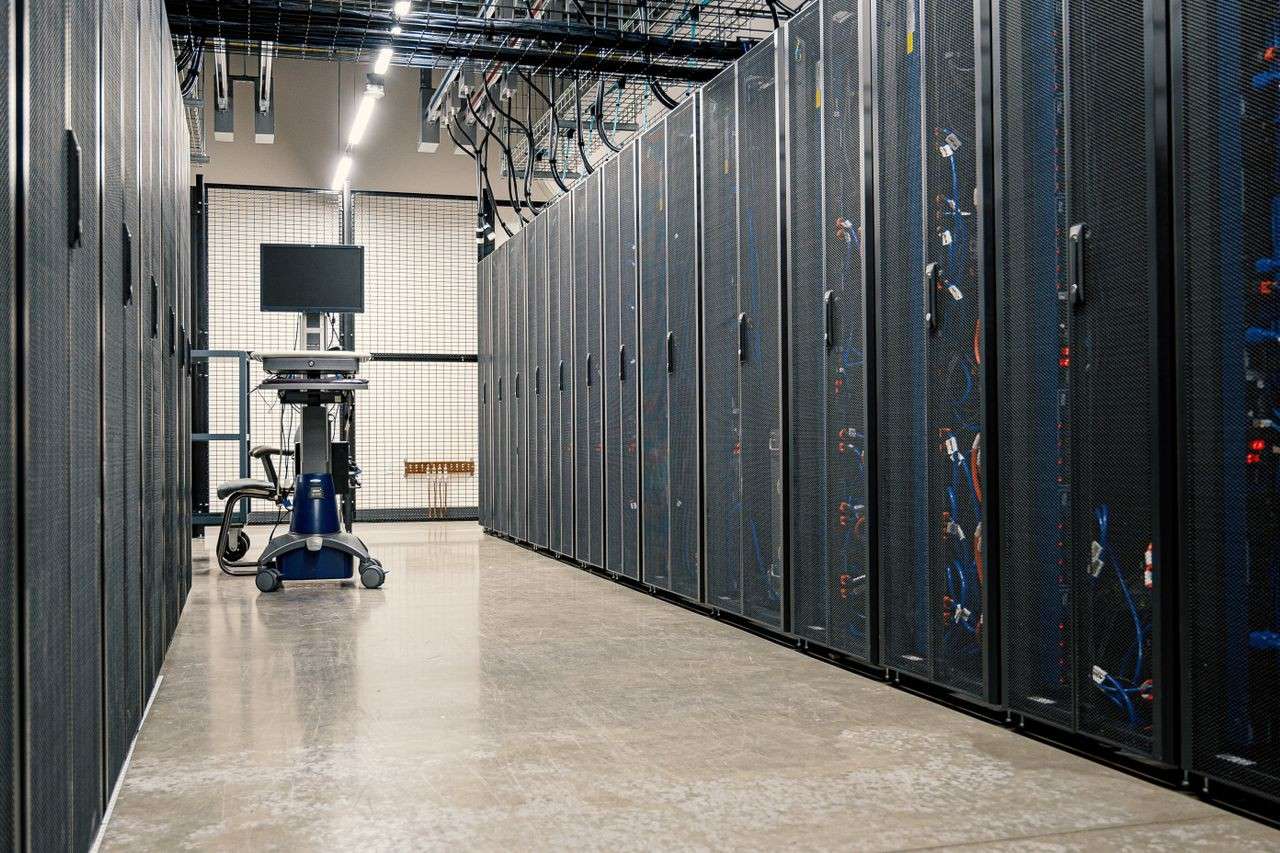
Transitioning enterprise cloud data center infrastructure toward sustainable, energy-efficient operational models represents a critical strategic imperative for chief technology officers, enterprise infrastructure directors, cloud sustainability leads, and corporate financial officers aiming to minimize mounting energy expenditures, comply with stringent global carbon reduction regulations, and future-proof digital operations against volatile electricity markets.
The exponential growth of data-intensive workloads, including large-scale artificial intelligence training, real-time analytics, and microservices architectures, places unprecedented power consumption demands on modern server farms and hyperscale cloud facilities. Traditional data center management frameworks, which rely on legacy HVAC cooling, unoptimized server rack densities, and constant maximum power provisioning, suffer from severe thermal inefficiencies, excessive carbon footprints, and unsustainable utility cost overruns.
Organizations attempting to navigate this digital expansion without deploying advanced liquid cooling systems, AI-driven workload schedulers, renewable energy microgrid integration, and intelligent power usage effectiveness monitoring face crippling operating expenses and regulatory penalties. Relying on outdated hardware architectures, static server provisioning, or uncoordinated facility management exposes enterprise digital ecosystems to frequent thermal throttling, hardware degradation, and severe environmental compliance violations.
Forward-thinking enterprise leaders and cloud infrastructure architects recognize that achieving long-term market dominance demands adopting institutional-grade green cloud data center optimization frameworks. These sophisticated sustainability platforms combine real-time telemetry analytics, automated liquid-to-chip cooling loops, dynamic server voltage scaling, renewable power purchase agreements, and carbon-aware workload orchestration into a unified enterprise architecture.
By executing a disciplined green data center optimization roadmap, modern global enterprises systematically slash energy waste, reduce total cost of ownership, elevate corporate environmental ratings, and fortify digital operations against rising utility tariffs. Moving far beyond basic green marketing initiatives or simple power strip timers, advanced green cloud optimization solutions continuously monitor rack-level thermal profiles, shift flexible computing jobs to low-carbon geographical regions, optimize uninterruptible power supply efficiency, and deliver actionable sustainability analytics directly to executive decision-makers.
For ambitious enterprise software vendors, financial institutions, cloud service providers, and digital manufacturing giants, building an optimized green data center infrastructure represents a high-impact capital deployment that preserves operating margins, accelerates environmental, social, and governance compliance, and elevates enterprise market valuation. As global energy grids strain under digital transformation and regulatory scrutiny intensifies worldwide, securing complete operational command over your sustainable cloud data center architecture becomes an indispensable requirement for enduring enterprise success.
AI-Driven Workload Scheduling and Carbon-Aware Computing

Modern cloud platforms leverage advanced artificial intelligence algorithms to schedule intensive computational workloads during periods of peak renewable energy availability. This dynamic scheduling approach aligns data center power consumption directly with regional solar and wind generation cycles.
A. Intelligent workload migration engines shift non-urgent batch processing tasks across geographic regions to utilize surplus green energy. B. Predictive machine learning models forecast local weather patterns and renewable generation fluctuations to optimize server farm power loads proactively. C. Carbon-aware API integration layers allow enterprise applications to request compute resources based on real-time grid carbon intensity metrics.
Utilizing intelligent workload orchestration reduces overall fossil fuel dependency without impacting application performance service level agreements. Enterprise technology teams achieve substantial carbon reductions while maintaining high-speed data processing workflows.
Advanced Liquid Cooling Architectures and Thermal Management
Managing extreme heat densities inside high-performance server racks requires transitioning from traditional air cooling to advanced liquid-to-chip thermal systems. Direct-to-chip liquid cooling loops circulate specialized dielectric fluids across high-power processors with remarkable thermal transfer efficiency. This precision cooling method eliminates the need for power-hungry computer room air conditioner units.
A. Closed-loop liquid distribution manifolds deliver chilled coolant directly to server cold plates, neutralizing thermal hot spots instantly. B. Automated coolant flow control valves adjust pumping speeds based on real-time processor junction temperatures and workload intensity. C. Immersion cooling tanks submerge entire server blades in non-conductive thermal liquids, maximizing heat dissipation for high-density AI clusters.
Implementing modern thermal management infrastructure lowers facility power usage effectiveness metrics significantly. Cloud operators save millions of kilowatt-hours annually by replacing inefficient fans with closed-loop liquid systems.
Dynamic Power Usage Effectiveness and Infrastructure Telemetry
Tracking and optimizing data center efficiency demands comprehensive telemetry platforms that measure power usage effectiveness in real time. Granular sensor grids monitor power delivery efficiency from the main utility substation down to individual server motherboard components.
A. High-precision smart power meters log real-time electrical current draws across every server rack and cooling distribution unit continuously. B. Automated telemetry analytics dashboards highlight energy waste anomalies instantly, allowing facility engineers to correct operational inefficiencies rapidly. C. Dynamic power capping firmware restricts maximum server power draws during grid emergency events to prevent utility overload penalties.
Deploying real-time power telemetry ensures facility managers maintain optimal energy efficiency across all operational conditions. Organizations eliminate hidden energy losses and streamline regulatory sustainability reporting effortlessly.
Renewable Microgrid Integration and Energy Storage Systems
Securing an uninterrupted, green energy supply for enterprise cloud facilities requires integrating local renewable microgrids with advanced battery storage systems. On-site solar arrays, wind turbines, and fuel cell generators provide clean power directly to data center substations. Battery energy storage systems buffer intermittent renewable generation to ensure continuous uptime.
A. Lithium-iron-phosphate battery banks store excess solar and wind energy during peak generation hours for nighttime facility consumption. B. Automated microgrid switching controllers transition data center operations smoothly between local renewable sources and primary utility grids. C. Peak shaving algorithms discharge stored battery power during expensive utility peak pricing windows to minimize corporate electricity expenditures.
Integrating local renewable storage shields enterprise cloud operations from regional grid instability and escalating utility rates. Facility directors build resilient, self-sustaining data center facilities engineered for long-term operational autonomy.
Hardware Lifecycle Extension and Circular Economy Strategies
Minimizing the environmental impact of cloud infrastructure manufacturing requires implementing rigorous hardware lifecycle extension and circular economy protocols. Upgrading modular server components and recycling obsolete silicon parts prevents electronic waste accumulation in global landfills.
A. Modular server blade designs allow enterprise technicians to replace outdated processors and memory modules without discarding entire chassis enclosures. B. Automated asset tracking software inventories server health metrics continuously, identifying components suitable for refurbishment and secondary deployment. C. Certified e-waste recycling partnerships ensure decommissioned silicon and storage drives undergo secure, environmentally compliant material recovery.
Practicing circular economy principles reduces hardware procurement costs while lowering corporate supply chain carbon footprints. Enterprise IT departments achieve sustainable asset management without compromising processing capabilities.
Quantitative Financial ROI and Sustainability Valuation
Evaluating green cloud data center investments through rigorous financial modeling converts sustainability initiatives into high-yield capital assets. Advanced financial analytics quantify energy cost savings, tax incentive acquisitions, and brand equity enhancements accurately.
A. Energy expense reduction models calculate long-term utility savings generated by deploying high-efficiency liquid cooling and smart power systems. B. Environmental tax credit tracking utilities identify government grants and carbon offset financial rebates available for sustainable facility upgrades. C. Brand valuation frameworks measure market capitalization increases achieved by demonstrating verified corporate environmental leadership to investors.
Validating sustainability expenditures through clear financial metrics provides executive boards with absolute confidence before allocating capital resources. Visionary corporate leaders build profitable, eco-friendly data center infrastructures designed for enduring commercial dominance.
Conclusion
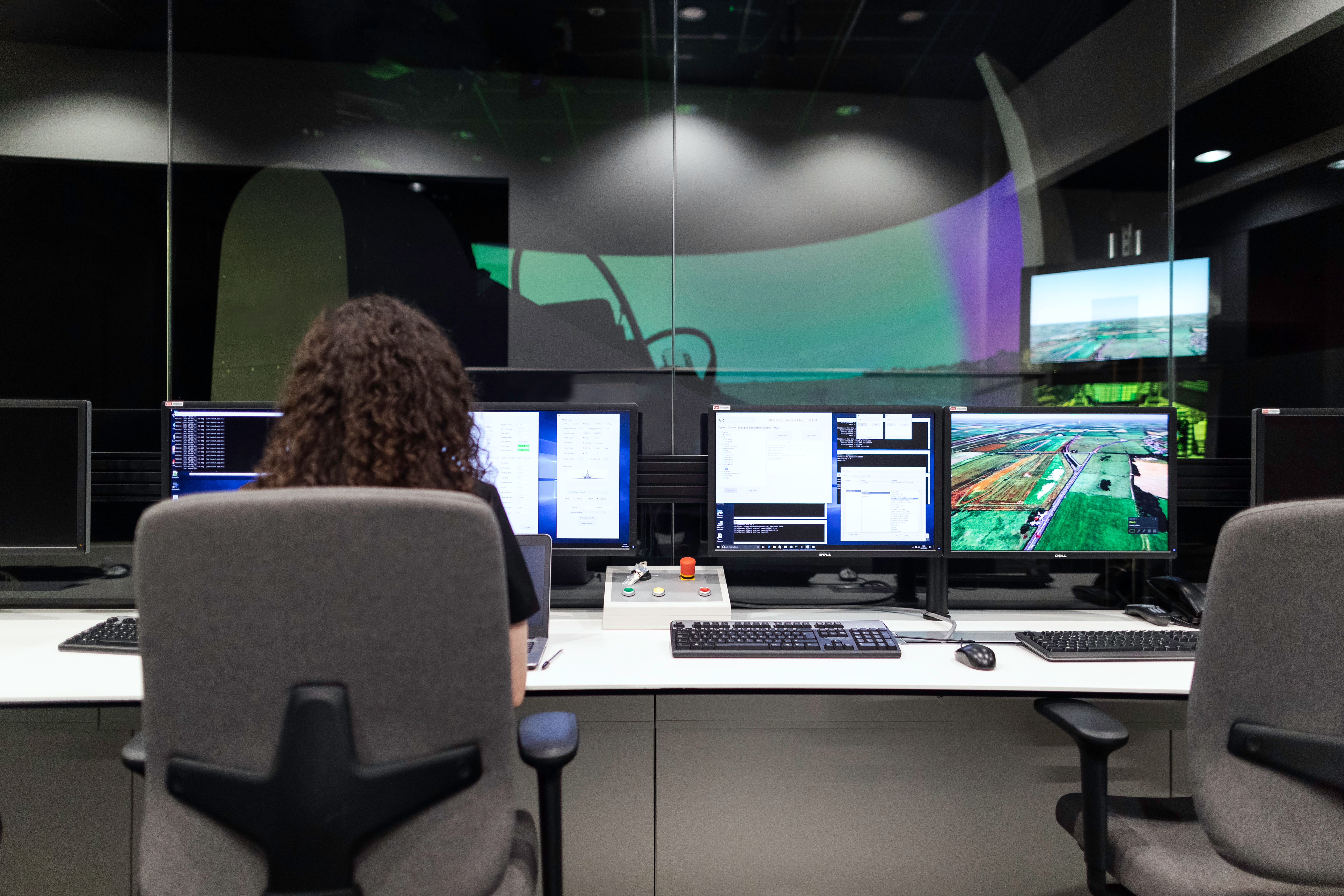
Optimizing enterprise green cloud data center infrastructure represents a vital strategic milestone for modern corporate leadership. Integrating artificial intelligence workload schedulers into server management platforms eliminates unnecessary energy consumption.
Deploying advanced liquid cooling architectures protects high-density processing equipment while slashing facility power usage metrics. Real-time power telemetry monitoring ensures absolute visibility into operational energy waste across every server rack. Connecting local renewable microgrids and battery storage systems guarantees continuous uptime and grid independence.
Practicing circular economy hardware strategies reduces electronic waste and optimizes capital expenditure budgets. Taking total operational command over your sustainability architecture creates a strong foundation for long-term commercial success. Your organization’s future market standing and environmental resilience depend directly on the green optimization strategies you deploy today.