The global biotechnology landscape is currently witnessing a seismic shift as synthetic biology moves from speculative laboratory research into the realm of structured, institutional-grade industrial application. This transition requires a profound understanding of how biological systems can be deconstructed into modular, programmable units that function with the same reliability as a software codebase or a mechanical assembly line.
To decrypt the complexities of these architectures, one must look past the basic manipulation of genetic material and focus instead on the holistic integration of high-throughput automation, cloud-based bioinformatics, and rigorous regulatory compliance frameworks. Enterprise-level synthetic biology is not merely about creating new organisms; it is about building a scalable, reproducible infrastructure that allows for the mass production of specialized molecules, therapeutic proteins, and bio-based materials.
As pharmaceutical giants and industrial manufacturers look to decentralize their production chains, the role of a unified biological “foundry” becomes the primary driver of value. These foundries utilize a Design-Build-Test-Learn (DBTL) cycle that is enhanced by artificial intelligence to minimize the margin of error and maximize yields in metabolic engineering. Deciphering these institutional architectures involves a strategic focus on how data flows from the digital blueprint of a gene to the physical bioreactor, ensuring that every step is optimized for safety and operational efficiency.
In an era where biosecurity and intellectual property are of paramount importance, the architecture must also include robust encryption for genetic designs and a transparent trail of custody for all biological parts. By mastering this sophisticated ecosystem, global enterprises can unlock unprecedented levels of precision in drug development and sustainable manufacturing. This institutional shift defines the future of the bio-economy, where biological matter is treated as the ultimate programmable resource for human progress.
The Design-Build-Test-Learn Framework at Scale

At the heart of any institutional synthetic biology architecture lies the DBTL cycle, a systematic approach that allows for the rapid prototyping of biological systems. When scaled to an enterprise level, this cycle utilizes robotic liquid handlers and automated DNA synthesizers to eliminate the bottlenecks typically found in traditional laboratory settings.
A. Computational Design and Predictive Modeling
B. High-Throughput DNA Assembly and Synthesis
C. Automated Phenotypic Characterization and Screening
D. AI-Driven Data Analysis and Iterative Learning
E. Standardized Biological Parts Registry
This framework allows for the simultaneous testing of thousands of genetic variants, drastically reducing the time required to find an optimal microbial strain for industrial fermentation. By standardizing these biological “parts,” institutions can ensure that a genetic circuit designed in one facility will function identically in another.
Enterprise-Grade Bioinformatics and Data Silos
Managing the massive amounts of data generated by genomic sequencing and metabolic flux analysis requires a high-performance computing infrastructure that can handle petabytes of information. Institutional architectures prioritize data integrity and accessibility, ensuring that researchers can query complex biological datasets in real-time.
A. Cloud-Native Genomic Sequence Storage
B. Metabolic Flux Analysis and Visualization
C. Secure Collaborative Research Portals
D. Automated Annotation of Genetic Sequences
E. Machine Learning Integration for Yield Prediction
These systems are designed to break down the silos between experimental biologists and computational scientists, fostering a cross-disciplinary environment that is essential for complex bioproduction. Data security protocols are also woven into the architecture to protect sensitive proprietary genetic designs from industrial espionage.
The Role of Bio-Foundries in Modern Industry
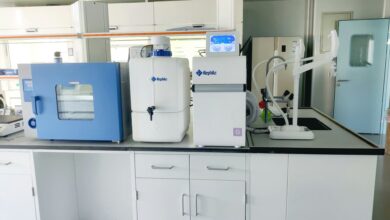
Bio-foundries serve as the physical manifestation of institutional synthetic biology, providing the specialized hardware and robotics needed to execute high-volume biological experiments. These facilities act as a centralized hub where design specifications are translated into tangible biological products through a highly controlled workflow.
A. Modular Bioprocess Development Units
B. Robotic High-Throughput Screening Platforms
C. Advanced Metabolomics and Proteomics Integration
D. Real-Time Process Analytical Technology (PAT)
E. Scalable Fermentation and Downstream Processing
By centralizing these resources, enterprises can achieve significant economies of scale, making it financially viable to produce low-volume, high-value chemicals and therapeutics. The modularity of these foundries also means they can be quickly repurposed to address emerging global health threats or changes in market demand.
Regulatory Compliance and Biosecurity Protocols
Navigating the complex landscape of international biosafety and environmental regulations is a critical component of any institutional architecture. Enterprise systems must include automated compliance tracking to ensure that all genetic modifications and waste disposal practices adhere to the strictest global standards.
A. Automated Regulatory Documentation Generation
B. Biosecurity Screening for Potential Pathogens
C. Environmental Impact and Containment Strategies
D. Intellectual Property Protection Frameworks
E. Quality Management System (QMS) Integration
These protocols provide a layer of institutional trust, allowing companies to operate across multiple jurisdictions without the risk of legal or ethical breaches. Biosecurity is particularly emphasized, with software-driven filters that flag the synthesis of any DNA sequences associated with restricted or dangerous organisms.
Molecular Therapeutic Ecosystems
Synthetic biology is revolutionizing the pharmaceutical sector by enabling the design of programmable living medicines, such as engineered CAR-T cells and specialized microbiome therapies. An enterprise architecture in this space focuses on the manufacturing consistency and traceability required for clinical-grade biological products.
A. Clinical-Grade Cell Line Development
B. Targeted Gene Delivery Vehicle Engineering
C. Personalized Medicine Manufacturing Logistics
D. In-Line Monitoring of Biological Product Purity
E. Cold-Chain Logistics and Cryopreservation Systems
The ability to engineer cells with specific logic gates allows these therapies to respond dynamically to the internal environment of a patient, increasing efficacy while reducing side effects. This level of sophistication requires a specialized supply chain that can handle living biological matter with absolute precision.
Bio-Manufacturing and Sustainable Resource Cycles
Beyond medicine, synthetic biology offers a path toward a circular bio-economy where waste streams are converted into high-value materials through engineered microbial processes. Institutional architectures are increasingly focusing on “cell factories” that can utilize carbon dioxide or agricultural waste as feedstocks.
A. Carbon Capture and Utilization Microbes
B. Biodegradable Material Synthesis Pathways
C. Upcycling of Agricultural and Industrial Waste
D. Sustainable Protein and Lipid Production
E. Life Cycle Assessment (LCA) Integration
This approach aligns with global sustainability goals and provides a hedge against the volatility of petroleum-based raw materials. By engineering microbes to perform complex chemical transformations, enterprises can reduce their environmental footprint while opening new revenue streams.
The Future of Human-Machine Collaboration in Bio-Design
The next frontier of synthetic biology architecture involves the deep integration of generative AI and human expertise to design biological systems that have never existed in nature. These “bio-generative” systems can explore a vast design space to find novel protein structures or metabolic pathways that are far more efficient than those evolved naturally.
A. Generative AI for Protein Structure Design
B. Human-in-the-Loop Experimental Design
C. Virtual Reality Molecular Modeling Interfaces
D. Automated Hypothesis Generation Systems
E. Distributed Lab-on-a-Chip Research Networks
This collaboration allows for a rapid expansion of the biological toolkit, enabling the creation of enzymes that can break down plastics or synthesize rare medicinal compounds. As the interface between digital and biological systems becomes more seamless, the potential for innovation within institutional architectures is virtually limitless.
Conclusion

Mastering synthetic biology at an institutional level is the primary challenge of the current decade. Sophisticated biological architectures provide the necessary stability for industrial-scale production. Modular design principles allow for the rapid replication of successful metabolic pathways.
Automation is the key to removing human error from complex genomic assembly tasks. Data integrity within bioinformatics platforms ensures that research is both reproducible and secure. Regulatory compliance frameworks are essential for maintaining public trust and operational legality. Bio-foundries represent the physical infrastructure that makes the bio-economy a reality. The integration of artificial intelligence accelerates the discovery of optimal biological designs.
Sustainable manufacturing through cell factories reduces the reliance on traditional chemical processing. Biosecurity protocols must be ingrained in the digital DNA of every research institution. Living medicines require a specialized manufacturing approach that prioritizes safety and consistency. Strategic investment in high-throughput hardware is a prerequisite for market leadership. Collaboration between computational and biological sciences is the foundation of innovation. The future of the industry depends on the ability to treat biology as a reliable engineering discipline.