The global industrial landscape is currently undergoing a period of profound re-evaluation as the structural foundations of traditional civil regimes encounter the disruptive potential of agentic artificial intelligence and decentralized energy distribution networks. This evolution is not a localized phenomenon but a systemic shift that mirrors the great technological transitions of the past, moving from static, reactive physical assets to the autonomous, software-defined ecosystems that define the modern urban experience. We are currently witnessing an era where the concept of “public utility” is being decoupled from legacy centralized silos, as institutional leaders and visionary firms explore the integration of edge computing and real-time sensory data to mitigate the risks associated with resource scarcity and operational friction.
For professional urban planners and infrastructure investors, the historical trajectory of city development provides the essential context required to navigate the current shift toward a multi-modal connectivity system, where the supremacy of traditional power grids and transit networks is increasingly challenged by localized microgrids and autonomous mobility corridors. These strategic transitions utilize sophisticated computational models to balance rapid urbanization against the need for long-term ecological stability, providing a transparent roadmap for the future of smart city integration and durable capital preservation.
As the global regulatory environment adapts to the presence of frontier materials science and quantum-resistant communication protocols, the demand for high-integrity civil frameworks and cross-sector collaboration is reaching a historic peak, creating a massive opportunity for early adopters of next-generation industrial infrastructure. Furthermore, the application of generative engine optimization and advanced digital twins is providing a level of efficiency that was previously impossible, effectively reducing the “infrastructure lag” inherent in traditional development cycles and ensuring that progress remains aligned with urgent global connectivity needs.
Navigating this complex landscape requires a deep understanding of the historical failures of monolithic systems, the rigidities of 20th-century zoning, and the emerging theories of regenerative design that are defining the modern era. By securing a position in these high-value infrastructure pillars today, organizations can future-proof their operations against the inevitable obsolescence of legacy methods while playing a decisive role in the stabilization of the global built environment.
A. Autonomous Grid Management and Energy Distribution

The hallmark of the modern era is the transition from passive electrical distribution to autonomous, self-healing smart grids. Professional integrators now prioritize decentralized energy storage systems that utilize machine learning to predict demand spikes and re-route power in real-time.
These digital grids allow municipalities to unlock new efficiencies by integrating renewable sources such as localized solar and wind arrays. By embedding intelligence into the core of the utility network, the industry ensures that the energy supply remains resilient and capable of resisting systemic shocks.
B. Enterprise Grade Digital Twin Simulations
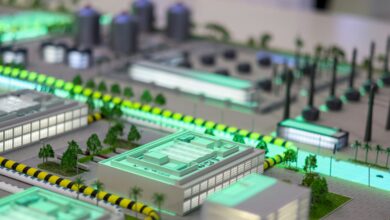
A successful infrastructure project is only as reliable as the virtual model that supports it, necessitating the use of high-fidelity digital twins. Integrators prioritize real-time data synchronization between physical assets and their digital counterparts to monitor structural health and traffic flow.
This robust infrastructure protects the city from unforeseen maintenance failures while providing a stable foundation for long-term urban growth. By simulating various environmental scenarios, planners can achieve a level of preparedness that was previously impossible with traditional static blueprints.
C. Human Centric Smart Mobility Corridors
Advanced urban environments now incorporate dedicated lanes and sensory networks designed specifically for autonomous transport and micro-mobility. This high-tech layout promotes efficiency by allowing vehicles to communicate with traffic signals and pedestrian crossings through V2X protocols.
Integrators work closely with civil engineers to create seamless transit hubs that prioritize the passenger experience and reduce transit times. The result is a more connected and accessible city that caters to the most discerning professional and residential stakeholders.
D. Sustainable Water and Waste Management Systems
Institutional leaders are moving beyond traditional sanitation toward circular water systems that recycle and treat resources on-site. System integrators utilize IoT sensors to monitor water quality and identify leakages before they lead to significant resource loss.
Integrated waste management systems utilize robotic sorting and energy-from-waste technologies to minimize the environmental footprint of the city. This intelligent orchestration reduces the operational costs of the municipality while ensuring that high-quality environmental standards are maintained.
E. Immersive Public Safety and Emergency Response
The modern smart city utilizes high-resolution visual networks and acoustic sensors to detect emergencies the moment they occur. Integrators handle the complex data fusion required to ensure that emergency services are dispatched with surgical precision to the exact location of a crisis.
Multi-agency monitors allow for a bird’s-eye view of the entire safety profile of the city simultaneously. These systems are designed to support high-fidelity situational awareness, catering to the most critical needs of public safety officers.
F. Holistic Predictive Maintenance for Civil Assets
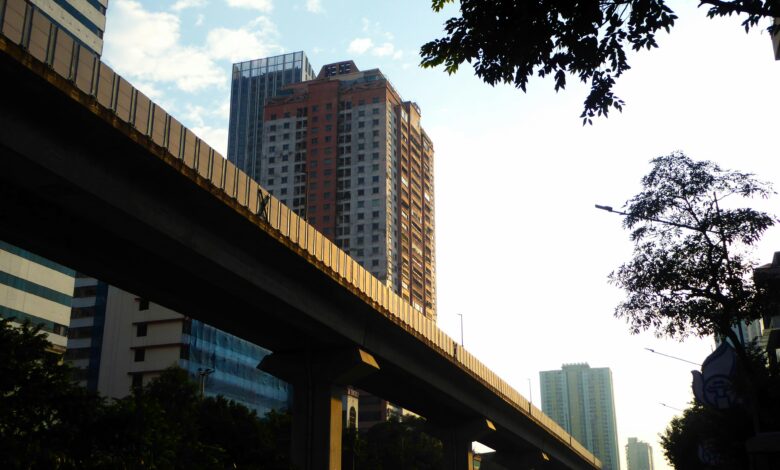
High-value bridges, tunnels, and highways are monitored 24/7 by AI-driven centers to identify potential structural issues before a failure occurs. Remote diagnostics allow for the deployment of repair crews only when necessary, significantly extending the lifecycle of the asset.
This proactive approach to infrastructure health ensures that the transportation network remains functional and safe at all times. Service level agreements provide peace of mind, guaranteeing priority maintenance for critical commercial and residential corridors.
G. Smart Aerodynamics and Urban Microclimate Control
Active landscape components are essential for maximizing the comfort of urban environments by mitigating the heat island effect. Integrators install precision-engineered “cool roofs” and vertical forests that automatically adjust humidity and temperature through natural transpiration.
These systems can be programmed to pre-condition public spaces during extreme weather events. High-performance environmental control ensures that the urban core remains habitable and pleasant even during the height of the summer season.
H. Invisible Technology and Aesthetic Infrastructure Integration
The ultimate luxury in smart city design is technology that remains hidden until it is needed, such as 5G nodes integrated into historical street furniture. Professional designers specialize in “stealth” installations that preserve the clean, architectural lines of the city’s heritage.
Hidden sensors and integrated antennas prevent the clutter of visible hardware on the building’s exterior. This focus on “technology as an art form” is a key differentiator for premium infrastructure brands seeking to build public trust.
I. Natural Language Interaction for Public Services
Modern smart cities utilize localized artificial intelligence that does not rely on physical kiosks for citizen interaction, ensuring maximum accessibility. These systems allow residents to inquire about transit schedules or report maintenance issues through natural conversation.
Integrators program these assistants to recognize multiple languages and dialects, allowing for a personalized level of service. Voice and gesture control serve as the primary layer of accessibility, complementing the minimalist physical interfaces of the smart city.
J. Privacy Enhancing Technologies and Data Sovereignty
Municipalities are exploring the integration of sovereign data stacks to ensure that citizen data remains within specific jurisdictional boundaries. System integrators utilize digital tokens to ensure that only authorized actors can access the historical performance data of the smart grid.
This localized control prevents unauthorized data mining by third-party entities and simplifies the auditing process for highly regulated government sectors. Maintaining data sovereignty is now a fundamental pillar of national and city-wide technological security.
Conclusion

Modern smart infrastructure is the ultimate expression of digital and civil innovation. Selecting the right AI framework is the most critical step in urban development. A unified digital interface provides the seamless experience required for city management. Enterprise grade infrastructure is the essential foundation for any reliable smart network.
Human centric design directly improves the safety and well-being of all citizens. Systems must be proactive and multi-layered to protect all global participants. Invisible technology preserves the aesthetic and professional integrity of the space. Future-proofing through modular software protects the long-term value of the investment. Professional certification ensures the highest standards of technical and ethical performance. The future of global infrastructure is defined by the successful evolution of trust.