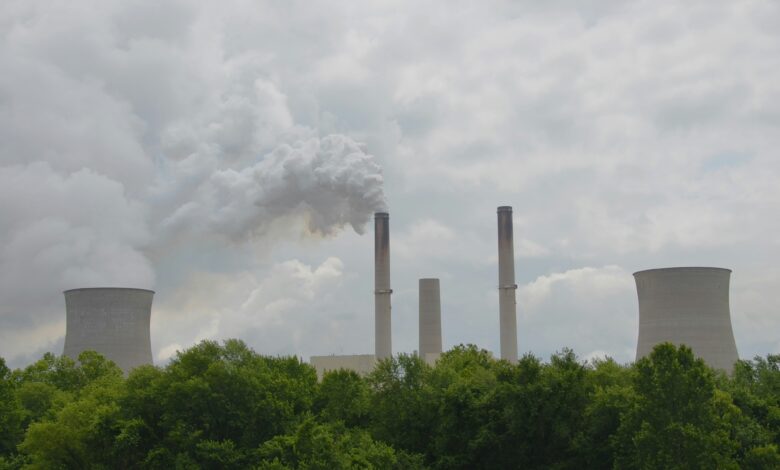
The global power landscape is currently witnessing a historic and irreversible transformation as renewable energy sources finally begin to eclipse coal as the world’s primary source of electricity generation. This monumental shift is not merely a trend driven by environmental idealism but is the result of a complex interplay between falling technology costs, massive capital investments, and a fundamental restructuring of national energy security strategies.
For decades, coal was the undisputed king of the industrial world, providing the cheap and reliable baseload power that fueled the rise of modern economies across every continent. However, the rapid advancement of photovoltaic efficiency and wind turbine aerodynamics has shifted the economic balance of power in favor of the sun and the wind.
We are now seeing a world where building new solar farms is cheaper than running existing coal plants in many regions, a reality that seemed like a distant dream just a decade ago. This transition is further accelerated by the emergence of high-capacity energy storage systems that address the long-standing challenge of intermittency.
As a hardware performance specialist, she believes that the architecture of our future grids will rely on decentralized, intelligent nodes rather than the massive, centralized combustion hubs of the past. This comprehensive analysis will explore the drivers of this transition, the technological breakthroughs making it possible, and the systemic impact on the global industrial complex.
The Economic Death of the Coal Giant

The primary driver behind the collapse of coal is no longer just regulation, but pure, hard-nosed economics that favor cleaner alternatives. As the cost of manufacturing silicon-based solar cells continues to plummet, coal has lost its competitive edge in the open market.
A. Analyzing the Levelized Cost of Energy (LCOE) for solar versus traditional thermal coal.
B. Utilizing massive economies of scale in wind turbine production to lower installation costs.
C. Investigating the impact of carbon pricing on the operational margins of aging coal fleets.
D. Assessing the “Stranded Asset” risk for investors still holding coal-heavy portfolios.
E. Managing the phase-out of coal subsidies in major developing and developed economies.
F. Evaluating the role of natural gas as a temporary bridge fuel during the transition.
G. Analyzing the reduction in maintenance costs for solid-state solar versus mechanical boilers.
H. Investigating the trend of “Coal-to-Solar” site conversions using existing grid interconnects.
Investors are increasingly wary of pouring capital into a fuel source that faces growing legal and financial liabilities. The volatility of coal prices compared to the predictable “fuel” of the sun makes renewables a safer bet for long-term infrastructure.
Breakthroughs in Photovoltaic and Wind Technology
The efficiency of capturing energy from the environment has improved at an exponential rate, allowing us to generate more power from a smaller physical footprint. These technological leaps are the engine room of the green revolution.
A. Utilizing bifacial solar panels that capture sunlight from both sides of the module.
B. Analyzing the impact of “Perovskite” solar cells on future efficiency benchmarks.
C. Investigating the deployment of offshore wind turbines with capacities exceeding 15MW.
D. Assessing the benefits of floating solar farms on reservoirs to reduce water evaporation.
E. Managing the integration of “Smart Inverters” to stabilize grid frequency and voltage.
F. Evaluating the role of vertical-axis wind turbines for urban and low-wind environments.
G. Analyzing the use of carbon-fiber materials to build longer and lighter turbine blades.
H. Investigating the potential of space-based solar power for continuous energy harvesting.
We are moving past the era of standard silicon cells into a high-performance world of multi-junction panels. These innovations ensure that even regions with less sunlight can still produce a significant portion of their own energy.
The Critical Role of High-Capacity Storage
The most persistent argument against renewables has been that the sun doesn’t always shine and the wind doesn’t always blow. Next-generation battery storage and long-duration solutions are finally silencing these critics.
A. Analyzing the shift toward Lithium Iron Phosphate (LFP) for safer grid-scale storage.
B. Utilizing Vanadium Redox Flow batteries for ultra-long duration energy discharge.
C. Investigating the role of “Pumped Hydro” as the world’s largest existing battery.
D. Assessing the benefits of “Gravity-Based” storage systems using heavy blocks and cranes.
E. Managing the thermal stability of massive battery arrays in diverse global climates.
F. Evaluating the integration of “Vehicle-to-Grid” (V2G) technology for urban balancing.
G. Analyzing the use of green hydrogen for long-term seasonal energy storage.
H. Investigating the potential of “Thermal Sand Batteries” to store heat for industrial use.
Without storage, the transition would stall; with it, the grid becomes more resilient than it ever was with coal. These systems act as a massive buffer, soaking up excess energy during the day and releasing it during the evening peaks.
Modernizing the Grid with AI and Decentralization
Our legacy power grids were designed for one-way traffic from large plants to passive consumers. The new energy paradigm requires a “Smart Grid” that functions like the internet of electricity.
A. Utilizing Artificial Intelligence to predict weather patterns and optimize power dispatch.
B. Analyzing the impact of “Distributed Energy Resources” (DER) on local grid stability.
C. Investigating the role of “Microgrids” in providing resilience for hospitals and data centers.
D. Assessing the use of blockchain for “Peer-to-Peer” energy trading between neighbors.
E. Managing the bidirectional flow of electricity from homes with rooftop solar panels.
F. Evaluating the role of “Digital Twins” in monitoring the health of remote wind farms.
G. Analyzing the cybersecurity requirements for a decentralized and software-heavy grid.
H. Investigating the use of “Edge Computing” in smart meters for real-time load balancing.
A decentralized grid is much harder to knock out with a single point of failure. By distributing generation across millions of rooftops and local farms, the entire nation gains a level of energy security that was impossible with coal.
The Geopolitical Shift of Energy Sovereignty
The move to renewables is redrawing the map of global power, as nations look to reduce their dependence on imported fossil fuels. Energy independence is now being found in the local environment rather than in distant coal mines.
A. Analyzing the reduction in maritime coal trade and its impact on global shipping lanes.
B. Utilizing domestic sun and wind to insulate economies from global commodity price spikes.
C. Investigating the race to control the supply chain of “Critical Minerals” like lithium and cobalt.
D. Assessing the benefits of “Green Energy Corridors” connecting neighboring countries.
E. Managing the transition for workforce populations in traditional coal-mining regions.
F. Evaluating the role of “Sovereign AI” in managing national energy assets.
G. Analyzing the shift in political influence from coal-exporting to tech-exporting nations.
H. Investigating the potential for “Green Ammonia” to revolutionize the global fuel trade.
Nations that once relied on coal imports are now becoming energy exporters. This shift reduces the potential for energy to be used as a geopolitical weapon and fosters a more stable global economic environment.
Decarbonizing Heavy Industry and Manufacturing
Coal’s last stronghold has been heavy industry, specifically steel and cement production, which require intense heat. However, green hydrogen and electrical induction are now proving that even these sectors can be cleaned up.
A. Utilizing “Green Hydrogen” as a reducing agent in the production of green steel.
B. Analyzing the impact of electrical arc furnaces on reducing industrial coal demand.
C. Investigating the use of concentrated solar power (CSP) for high-heat industrial processes.
D. Assessing the benefits of carbon capture and storage (CCS) for “Hard-to-Abate” sectors.
E. Managing the transition to bio-based fuels for specialized high-temperature kilns.
F. Evaluating the role of “Industrial Heat Pumps” in replacing coal-fired steam boilers.
G. Analyzing the cost-competitiveness of green steel in a world with carbon tariffs.
H. Investigating the potential for “Small Modular Reactors” (SMR) to provide carbon-free heat.
The “Hard-to-Abate” sectors are finally seeing a path forward that doesn’t involve burning coal. This transition is essential for reaching net-zero goals, as industry remains one of the largest sources of global emissions.
The Environmental and Health Dividends
The transition away from coal is not just about carbon; it’s about the immediate improvement in air quality and public health. Reducing coal combustion saves millions of lives and prevents trillions in healthcare costs.
A. Analyzing the reduction in PM2.5 and sulfur dioxide emissions in industrial zones.
B. Utilizing clean energy to protect local water tables from coal ash contamination.
C. Investigating the recovery of ecosystems in areas previously damaged by mountain-top mining.
D. Assessing the impact of cleaner air on the productivity and health of urban populations.
E. Managing the restoration of “Brownfield” sites where coal plants once stood.
F. Evaluating the role of “Nature-Based Solutions” alongside renewable energy projects.
G. Analyzing the reduction in global mercury levels due to lower coal combustion.
H. Investigating the impact of “Heat Island” reduction through urban greening and solar.
The public health benefits of closing a single coal plant are often worth more than the electricity it produced. We are entering an era where the air we breathe will be significantly cleaner than it was for the last two centuries.
Workforce Transition and the “Just Transition”
As coal mines and plants close, millions of workers need new paths forward. A “Just Transition” ensures that the benefits of the green economy are shared with those who powered the old one.
A. Utilizing “Retraining Programs” to move coal workers into the wind and solar sectors.
B. Analyzing the growth of “Green Collar” jobs in manufacturing and installation.
C. Investigating the role of government grants in revitalizing former coal towns.
D. Assessing the benefits of “Early Retirement” packages for older workers in the sector.
E. Managing the social impact of automation in the new energy workforce.
F. Evaluating the potential for “Energy Cooperatives” to provide local employment.
G. Analyzing the skill overlap between traditional power plant engineering and green tech.
H. Investigating the role of vocational schools in preparing the next generation of technicians.
The green economy is a massive job creator, often requiring more local labor than the highly automated coal sector. Ensuring that these jobs are high-quality and unionized is key to maintaining social support for the transition.
Challenges and Bottlenecks to Full Adoption
Despite the momentum, the path to 100% renewables is not without obstacles. Permitting delays, supply chain constraints, and grid bottlenecks remain significant hurdles to be overcome.
A. Analyzing the impact of “NIMBY” (Not In My Backyard) opposition to new wind and solar.
B. Utilizing “Streamlined Permitting” to accelerate the deployment of high-voltage lines.
C. Investigating the shortage of electrical engineers and specialized technicians.
D. Assessing the supply chain risks for rare earth elements and magnets.
E. Managing the recycling of old wind turbine blades and solar panels.
F. Evaluating the role of “Interconnection Queues” in slowing down new projects.
G. Analyzing the volatility of material prices like copper and aluminum.
H. Investigating the impact of high-interest rates on capital-intensive energy projects.
Solving these bottlenecks requires political will and regulatory innovation. The technology is ready, the economics are clear, but the bureaucracy must catch up to the speed of the transition.
Conclusion

The displacement of coal by renewable energy is the most important shift in modern industrial history. It is a transition driven by the unstoppable force of superior economics and technological innovation. Solar and wind have proven that they can deliver reliable power at a fraction of the cost of coal.
Energy storage is providing the stability needed to run a 24/7 global economy on clean electrons. The decentralization of the grid is creating a more resilient and secure energy infrastructure for all. National sovereignty is being strengthened as countries harvest their own local sun and wind resources. Heavy industries like steel and cement are finally finding a path to decarbonization through green hydrogen. The immediate public health benefits of closing coal plants are creating cleaner and more livable cities.
A “Just Transition” is essential to ensure that the human cost of this change is managed with compassion. We must address the remaining regulatory and supply chain bottlenecks to maintain the current momentum. The era of coal is coming to a close, and the era of the sun and wind has officially begun. This shift represents our best chance to secure a prosperous and sustainable future for the entire planet. Ultimately, the great energy shift is about moving from a world of finite combustion to a world of infinite renewa.